
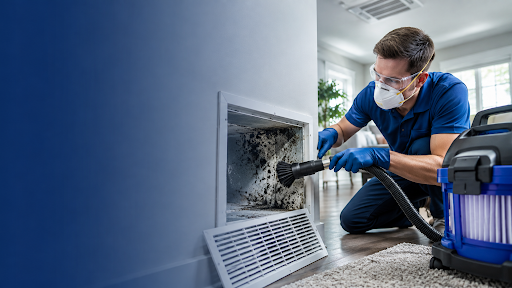
How to Get Rid of Mold in Air Ducts: Expert Steps & Signs
Mold inside your air ducts can spread microscopic spores every time your HVAC system runs. Left untreated, it can reduce indoor air quality, trigger allergy symptoms, and eventually damage parts of your heating and cooling system. While some surface mold can be cleaned safely, widespread contamination often requires professional attention.
This guide explains how to identify mold in your HVAC system, perform safe DIY cleaning, understand when professional remediation is necessary, and prevent mold from returning. If you’re in Bordentown, NJ, Burlington County, Mercer County, or Bucks County, PA, Rhino Dryer Vent and Air Duct Cleaning provides honest inspections, advanced camera diagnostics, and professional air duct cleaning backed by 220+ five-star Google reviews and transparent pricing.
Mold in air ducts can harm your health and home. Learn to spot, clean, and prevent it with expert-backed steps. Know when to call a professional for safe, lasting results.
See our HVAC Maintenance Checklist for more prevention tips.
Signs of Mold in Air Ducts & Health Risks
Mold inside your HVAC system often starts anywhere moisture collects. Catching it early can help prevent expensive repairs while protecting your home’s indoor air quality.
Common signs of mold in an HVAC system include:
- A musty odor when the HVAC system starts
- Black, green, or white spots around supply or return vents
- Allergy or asthma symptoms that worsen indoors
- Excess dust circulating through the home
- Condensation or moisture around ductwork or vents
The health risks of mold in ducts vary from person to person. Many homeowners experience sneezing, coughing, itchy eyes, congestion, headaches, or aggravated asthma. Young children, older adults, and people with weakened immune systems may be more sensitive to mold exposure.
Mold often grows because of excess humidity, leaking ductwork, clogged condensate drains, or poor ventilation. Cleaning visible mold without fixing the moisture problem usually leads to mold returning.
At Rhino Dryer Vent and Air Duct Cleaning, every service begins with a detailed inspection. Using advanced air duct camera inspections, our technicians locate contamination before recommending cleaning or sanitization. That means homeowners receive honest recommendations without unnecessary upsells.
For more information about mold exposure, visit the CDC’s Mold and Your Health resource.
DIY Air Duct Mold Removal: Step-by-Step Guide
Snippet Answer:
To remove mold from air ducts, turn off your HVAC system, wear protective equipment, clean accessible vent covers, vacuum loose debris with a HEPA vacuum, and apply an EPA-registered disinfectant to reachable metal surfaces. Call a professional if mold is widespread or keeps returning.
Visual Suggestion:
Turn Off HVAC → Wear PPE → Remove Vent Covers → HEPA Vacuum → Apply EPA-Registered Disinfectant → Dry Completely → Inspect System.
DIY cleaning is only appropriate when mold is limited to accessible vent covers or nearby metal duct surfaces. If contamination extends deep into the ductwork, insulation, or HVAC equipment, professional remediation is recommended.
Tools You’ll Need
- Gloves, eye protection, and an N95 respirator
- Screwdriver
- Mild detergent and a microfiber cloth
- HEPA vacuum
- EPA-registered disinfectant
- Trash bags
Approved disinfectants can be found on the EPA’s List N.
Step 1: Turn Off Your HVAC System
Switch off your heating and cooling system before opening any vents. This prevents mold spores from circulating throughout your home during cleaning.
Wait until airflow has completely stopped before removing vent covers.
Step 2: Wear Protective Equipment
Always wear gloves, safety glasses, and an N95 respirator before disturbing mold.
Proper protective equipment helps reduce exposure to airborne spores during cleaning.
Step 3: Remove and Clean Vent Covers
Carefully unscrew each vent cover.
Wash metal covers with warm water and mild detergent. Apply an EPA-registered disinfectant if mold remains, then allow each cover to dry completely before reinstalling it.
Replace severely rusted or damaged vent covers rather than cleaning them.
Step 4: Vacuum Loose Debris
Use a HEPA vacuum to remove loose dust and mold spores from areas you can safely reach.
Avoid using a standard household vacuum because it may blow spores back into the air.
Step 5: Apply an EPA-Registered Disinfectant
Treat accessible metal duct surfaces according to the product label.
Do not soak ductwork with excessive liquid. Too much moisture can encourage new mold growth.
Never mix different cleaning chemicals.
Step 6: Dry Everything Thoroughly
Allow every cleaned surface to dry completely before turning your HVAC system back on.
If condensation or leaks caused the mold, repair the moisture source first. Otherwise, mold is likely to return.
DIY Safety Tips
- Never spray bleach deep inside air ducts
- Never scrub fiberglass duct liner
- Replace dirty HVAC air filters after cleaning
- Fix moisture problems before treating mold
- Stop immediately if mold covers a large area
When DIY Cleaning Is No Longer Enough
DIY cleaning has limits. If mold keeps coming back, spreads beyond the vents, or is visible inside the air handler or evaporator coil, professional service is the safest solution.
At Rhino Dryer Vent and Air Duct Cleaning, every project starts with a no-pressure camera inspection. Our insured, background-checked technicians use commercial-grade HEPA equipment to remove dust, allergens, and contaminants at the source. We also offer sanitization treatments for mold, pet dander, pollen, and dust, helping homeowners throughout Bordentown, Burlington County, Mercer County, and Bucks County, PA enjoy cleaner, healthier indoor air.
When to Call a Professional: Cost, Process, and Regulations
DIY cleaning works for small amounts of mold on accessible vent covers. If mold has spread inside the ductwork or keeps returning, professional air duct mold removal is the safest and most effective solution.
Signs You Need a Professional
Call a specialist if you notice:
- Mold covering large sections of ductwork
- Mold inside the air handler, evaporator coil, or duct insulation
- Strong musty odors after cleaning
- Mold returning after repeated cleaning
- Family members experiencing persistent allergy or asthma symptoms
What Professionals Do Differently
Professional technicians do much more than clean visible mold. They inspect the entire HVAC system, identify the moisture source, and remove contamination using commercial-grade equipment designed to contain airborne spores.
At Rhino Dryer Vent and Air Duct Cleaning, every job begins with a thorough inspection and air duct camera inspection. Our background-checked and insured technicians use commercial HEPA filtration equipment and specialized tools to remove dust, allergens, and mold contamination from the source. We also offer sanitization treatments that help reduce mold spores, pet dander, pollen, and bacteria throughout your duct system.
If extensive structural mold remediation is required, we’ll explain your options honestly and recommend the appropriate next steps instead of selling unnecessary services.
DIY vs. Professional Air Duct Mold Removal
| Factor | DIY Cleaning | Professional Service |
| Best For | Small surface mold near vents | Hidden or widespread mold |
| Equipment | Household tools and HEPA vacuum | Commercial HEPA equipment, inspection cameras, negative air pressure systems |
| Moisture Source | Usually remains | Identified and addressed |
| Risk of Spreading Spores | Moderate | Low when performed correctly |
| Typical Cost | $30 to $150 for supplies | Varies by contamination level, system size, and repairs needed |
Professional pricing depends on the size of your HVAC system, the extent of mold growth, and whether damaged components require replacement.
Industry Standards and Certifications
Choose a company that follows recognized industry standards and carries proper insurance.
If you’re looking for trusted air duct mold removal in Bordentown, Burlington County, Mercer County, or Bucks County, PA, Rhino Dryer Vent and Air Duct Cleaning provides free estimates, transparent pricing, and honest recommendations backed by more than 220 five-star Google reviews.
Prevention & Maintenance Tips
Preventing mold is easier and less expensive than removing it. Routine HVAC maintenance, proper humidity control, and regular inspections help keep your ductwork clean while protecting your home’s indoor air quality.
Replace Air Filters Regularly
Dirty filters collect dust and moisture that mold can feed on.
For most homes:
- Replace filters every 1 to 3 months
- Check filters more often if you own pets
- Use the filter recommended by your HVAC manufacturer
Control Indoor Humidity
Keep indoor humidity below 60% to reduce mold growth.
Simple ways to lower humidity include:
- Use a dehumidifier
- Repair plumbing leaks promptly
- Vent bathrooms and kitchens properly
- Schedule annual air conditioner maintenance
Schedule Routine HVAC Maintenance
Annual inspections catch small issues before they become major problems.
At Rhino Dryer Vent and Air Duct Cleaning, our technicians inspect your HVAC system, perform air duct camera inspections, clean accumulated dust and debris, and provide sanitization treatments that improve indoor air quality. Homeowners throughout Bordentown, Burlington County, Mercer County, and Bucks County, PA rely on our experienced team for honest service and transparent pricing.
Watch for Early Warning Signs
Inspect your vents every few months for:
- Musty odors
- Moisture around vents
- Visible discoloration or mold
- Increased indoor allergy symptoms
Fixing problems early helps prevent expensive mold remediation later.
Helpful Resource: Download our HVAC Maintenance Checklist for year-round maintenance tips.
FAQs: Bleach, Vinegar, Inspections, and Insurance
Can I use bleach or vinegar in air ducts?
Bleach can damage HVAC components and is not recommended for ductwork. Vinegar may kill some surface mold but will not eliminate hidden contamination. Use an EPA-registered disinfectant approved for HVAC applications and follow all label instructions.
How often should air ducts be inspected for mold?
Inspect your HVAC system at least once each year or anytime you notice musty odors, water damage, or increased allergy symptoms. Rhino Dryer Vent and Air Duct Cleaning offers professional camera inspections to identify problems early.
Does homeowners insurance cover mold in air ducts?
Coverage depends on your insurance policy and what caused the mold. Sudden events like burst pipes may be covered, while long-term leaks and neglected maintenance are commonly excluded. Contact your insurance carrier to confirm your coverage.
Are mold testing kits accurate?
DIY mold testing kits can detect spores but cannot determine the location or severity of contamination inside your HVAC system. A professional inspection provides a much more accurate assessment.
Breathe Easier with Rhino Dryer Vent and Air Duct Cleaning
Mold in your air ducts can impact your health, reduce HVAC efficiency, and spread if moisture issues aren’t fixed. While small surface mold may be manageable, larger contamination should always be handled by professionals.
Regular HVAC maintenance, filter changes, humidity control, and inspections are the best way to prevent mold growth.
At Rhino Dryer Vent and Air Duct Cleaning, we proudly serve Bordentown, Burlington County, Mercer County, and Bucks County, PA with honest inspections, advanced equipment, and transparent pricing. Our 220+ five-star Google reviews reflect our commitment to cleaner, healthier indoor air.
Schedule Your Free Air Duct Inspection Today
Don’t wait for mold to spread.
Whether you need an inspection, air duct cleaning, or expert advice, Rhino Dryer Vent and Air Duct Cleaning is ready to help.