
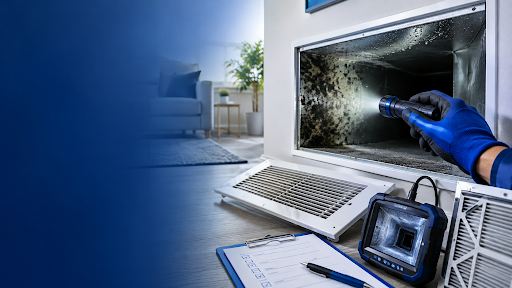
How to Spot Black Mold in Air Ducts Before It Spreads
Black mold in air ducts puts your indoor air quality and your family’s health at risk. Left untreated, it can spread through your HVAC system and contaminate the air you breathe every day. The good news is that early warning signs are often easy to recognize if you know what to look for.
This guide explains how to spot black mold in air ducts before it spreads, what causes it, the health risks to watch for, and the best ways to remove and prevent it. You’ll also learn when it’s time to call a trusted professional like Rhino Dryer Vent and Air Duct Cleaning for a thorough inspection.
See our HVAC maintenance checklist for quick prevention tips.
What Causes Black Mold in Air Ducts?
Black mold in air ducts grows when moisture, organic debris, and poor airflow come together. Your HVAC system can trap dust, pollen, and other particles that become food for mold once moisture is present.
The most common causes include:
- Condensation on ductwork from temperature changes.
- High indoor humidity, especially above 60%.
- Roof, plumbing, or HVAC leaks that introduce moisture.
- Dirty air ducts filled with dust and debris.
- Poor HVAC maintenance, including clogged filters and neglected inspections.
Bathrooms, basements, crawl spaces, and attics often have higher moisture levels, making nearby ductwork more vulnerable. Once mold forms, your HVAC system can circulate spores throughout your home every time it runs.
The best defense is moisture control. Keep indoor humidity between 30% and 50%, fix leaks quickly, replace air filters on schedule, and have your ductwork inspected if you notice musty odors or excess condensation.
For more information, see the EPA’s Moisture Control Guidance for Homes.
Early Warning Signs: How to Spot Black Mold
Snippet Answer:
Black mold in air ducts often starts with a musty odor, small patches of visible mold, excess condensation, and worsening allergy symptoms. Check air vents, return registers, and nearby ductwork. Finding these signs early can stop mold from spreading through your HVAC system.
The earlier you catch black mold in vents, the easier it is to remove. Watch for these common warning signs before the problem gets worse.
1. Musty Odor
A damp, earthy smell coming from your vents is often the first clue. If the odor gets stronger when your HVAC system runs, mold may be growing inside the ductwork.
2. Visible Mold
Look for black, dark green, or brown spots around vent covers, registers, or inside accessible ducts. Mold usually appears in damp areas where dust has collected.
3. Allergy Symptoms
If coughing, sneezing, itchy eyes, or congestion improve when you leave home, mold in your HVAC system could be affecting your indoor air.
4. Condensation Around Vents
Water droplets or damp vent covers can signal excess moisture. Since mold needs moisture to grow, condensation should never be ignored.
5. Hidden Trouble Spots
Inspect areas where mold often develops, including:
- Return air vents
- Basement and attic ductwork
- HVAC closets
- Supply registers near bathrooms or kitchens
- Around dirty air filters
Mold vs. Dust vs. Soot
| Feature | Black Mold | Dust | Soot |
| Color | Black or dark green | Gray or tan | Deep black |
| Texture | Fuzzy or slimy | Dry and powdery | Fine and greasy |
| Smell | Musty | Little to none | Burnt odor |
| Wipes Away Easily | No | Yes | Partially |
| Returns Quickly | Yes, if moisture remains | Yes | Depends on the source |
Not every black mark is mold. Dust wipes away easily, while mold often stains the surface and returns because it continues growing beneath it.
If you notice more than one of these signs of black mold in air vents, schedule a professional inspection. Companies like Rhino Dryer Vent and Air Duct Cleaning use camera inspections to identify hidden mold without unnecessary guesswork, helping homeowners address the problem before it spreads.
Health Risks and Symptoms
Is black mold in air ducts dangerous? It can be. Mold spores can circulate through your HVAC system and reduce indoor air quality. While not everyone reacts the same way, exposure can trigger health problems, especially in sensitive individuals.
Adults may experience:
- Sneezing and nasal congestion
- Persistent coughing
- Itchy or watery eyes
- Wheezing or shortness of breath
- Headaches or fatigue
Children, older adults, people with asthma, and those with weakened immune systems often face a higher risk of stronger reactions. Pets can also be affected. Watch for excessive scratching, sneezing, coughing, watery eyes, or unusual tiredness.
If symptoms improve when you leave the house but return after spending time indoors, black mold in vents could be affecting your home’s air quality. A professional inspection can help identify the source before the problem grows.
According to the U.S. Environmental Protection Agency (EPA), mold should be removed promptly because it can trigger allergic reactions and worsen respiratory conditions.
The Centers for Disease Control and Prevention (CDC) also recommends addressing moisture problems quickly to prevent mold growth and reduce exposure:
Early detection and proper remediation help protect your family, pets, and indoor air quality.
Step-by-Step Inspection Guide
Finding black mold in air ducts early can prevent costly repairs and improve your indoor air quality. Follow these steps before deciding whether you need professional help.
Step 1: Turn Off Your HVAC System
Switch off your heating or cooling system before inspecting the vents. This prevents mold spores and dust from circulating while you check the ductwork.
Step 2: Remove the Vent Cover
Use a screwdriver to remove an accessible supply or return vent. Shine a flashlight inside and look for:
- Black, green, or brown patches
- Moisture or condensation
- Fuzzy or slimy growth
- Heavy dust mixed with dark stains
Step 3: Check for a Musty Odor
Smell the vent opening. A damp, earthy odor often points to mold growing deeper inside the ducts.
Step 4: Inspect Hidden Areas
Pay close attention to places where moisture collects:
- Basement ductwork
- Attic ducts
- HVAC closet
- Around the evaporator coil
- Near drain pans and condensate lines
These areas often develop mold before visible vents do.
Step 5: Examine the Air Filter
A dirty air filter can trap moisture and organic debris. If the filter shows dark spots or excessive buildup, replace it and inspect the surrounding HVAC components.
Visual Inspection Guide
| Check | What to Look For |
| Vent cover | Visible mold or dark stains |
| Inside duct | Moisture, mold growth, debris |
| Air filter | Heavy dust, discoloration, mold spots |
| HVAC unit | Water leaks or condensation |
| Nearby walls | Water stains or peeling paint |
Homeowner Checklist Before Calling a Pro
Turn off the HVAC system.
Take clear photos of any suspicious growth.
Check multiple vents, not just one.
Note any musty odors and where they are strongest.
Replace a clogged air filter if needed.
Look for recent leaks or water damage.
When to Schedule a Professional Inspection
If mold covers a large area, keeps coming back, or appears deep inside the ductwork, avoid disturbing it. DIY cleaning may spread spores throughout your home.
A professional company like Rhino Dryer Vent and Air Duct Cleaning uses camera inspections and specialized equipment to locate hidden mold inside your HVAC system. Their technicians provide honest inspections, transparent pricing, and clear recommendations before any work begins. This helps homeowners across Bordentown, Burlington County, Mercer County, and Bucks County, PA address mold problems early without unnecessary services.
If you suspect widespread contamination, avoid using a household vacuum. Instead, let trained professionals inspect the system and determine whether duct cleaning, sanitization, or professional mold remediation is the safest solution.
Removal: DIY vs. Professional Mold Remediation
If you find black mold in air ducts, the right solution depends on how much mold is present and where it is growing. Small surface spots near vent covers may be cleaned safely, but mold inside the HVAC system often requires professional equipment.
DIY Cleaning
DIY may be appropriate if the mold is limited to a small, non-porous vent cover.
Pros
- Lower cost
- Quick for minor surface growth
- Good for routine vent maintenance
Cons
- Does not remove mold deep inside ductwork
- Can spread spores if cleaned incorrectly
- May miss the moisture source that caused the problem
Wear gloves, eye protection, and an N95 mask. Clean removable vent covers with an approved cleaner, then dry them completely. Never mix cleaning chemicals, and never scrape or brush large mold patches.
Professional Mold Remediation
Call a professional if mold is inside the ducts, covers a large area, returns after cleaning, or follows water damage.
Professional services can include:
- Camera inspections to locate hidden mold
- HEPA vacuum equipment to capture spores
- Safe duct cleaning and sanitization
- Moisture source identification
- Recommendations to prevent future growth
Rhino Dryer Vent and Air Duct Cleaning starts every job with a thorough, no-pressure inspection. Their trained, insured technicians use professional equipment to clean ductwork, improve indoor air quality, and recommend additional remediation only when necessary.
The EPA recommends that extensive mold contamination be handled using proper remediation practices, especially when HVAC systems are involved.
If you’re unsure how to clean black mold from vents, it’s safer to schedule an inspection than risk spreading mold spores throughout your home.
Prevention Tips for Mold in HVAC Systems
Preventing black mold in air ducts is easier and less expensive than removing it. The key is controlling moisture, maintaining your HVAC system, and keeping your ductwork clean.
1. Control Indoor Humidity
Keep your home’s humidity levels between 30% and 50%. Use a dehumidifier in damp areas like basements and fix water leaks as soon as they appear.
2. Replace Air Filters Regularly
A dirty air filter traps dust and moisture, creating conditions that support mold growth. Check your filter every month and replace it according to the manufacturer’s recommendations.
Related: Signs Your Air Filter Needs Replacing
3. Schedule Routine HVAC Maintenance
Annual HVAC inspections help identify condensation, clogged drain lines, and airflow problems before mold develops. Regular maintenance also improves system efficiency and extends equipment life.
Related: HVAC Maintenance Checklist
4. Keep Air Ducts Clean
Dust, pet dander, pollen, and other debris provide food for mold. Professional duct cleaning removes these contaminants and helps improve indoor air quality.
For homeowners in Bordentown, Burlington County, Mercer County, and Bucks County, PA, Rhino Dryer Vent and Air Duct Cleaning provides thorough inspections, professional air duct cleaning, camera inspections, and sanitization treatments. Their transparent pricing and same-day service options make it easy to address problems before they become costly.
5. Watch for Moisture Problems
Inspect your home regularly for:
- Roof or plumbing leaks
- Condensation around vents
- Damp basements or crawl spaces
- Frozen or leaking HVAC coils
- Clogged condensate drain lines
Fixing moisture issues quickly is one of the most effective ways to prevent mold in your HVAC system.
6. Don’t Skip Professional Inspections
If you notice a persistent musty odor, recurring allergy symptoms, or visible mold near vents, schedule an inspection promptly. Early detection prevents mold from spreading through your HVAC system.
For additional HVAC maintenance tips, visit the U.S. Department of Energy’s Energy Saver Guide.
FAQs About Black Mold in Vents
Can mold in vents affect pets?
Yes. Pets can breathe in mold spores just like people. Common signs include sneezing, coughing, itchy skin, watery eyes, and unusual fatigue. If your pet’s symptoms improve away from home, have your HVAC system inspected.
How fast does black mold spread?
Under the right conditions, mold can begin growing within 24 to 48 hours after moisture appears. Once established, your HVAC system can circulate spores throughout your home every time it runs.
What does professional mold testing involve?
A technician performs a visual inspection, checks moisture levels, and may use air sampling or surface testing when needed. Companies like Rhino Dryer Vent and Air Duct Cleaning also offer air duct camera inspections to identify hidden mold before recommending the most effective cleaning or remediation solution.
Local Regulations and Insurance Tips
Mold remediation requirements and insurance coverage vary by state and policy. Some homeowners insurance plans cover mold only if it results from a covered event, such as a sudden plumbing leak. Review your policy and local regulations before filing a claim, and keep photos and inspection reports for documentation.
Protect Your Home From Hidden Mold Today
Don’t wait until black mold in air ducts spreads through your entire HVAC system. Early action protects your air quality, your equipment, and your family’s health.
If you’ve noticed musty odors, visible mold, or ongoing allergy symptoms, it’s time to take the next step. Rhino Dryer Vent and Air Duct Cleaning provides professional inspections, advanced camera diagnostics, and thorough duct cleaning to identify and eliminate hidden mold at the source.
Call today or request your free estimate to schedule a fast, no-pressure inspection and breathe cleaner, healthier air in your home.